Sustainable Leadership
Your Mission Depends on Leaders Who Can Sustain Their Leadership.
Leadership burnout, turnover, change fatigue, and team dependency rarely happen overnight. They develop when capable leaders carry too much responsibility, absorb too much pressure, and lose the capacity required to lead sustainably.
Jonlieu helps K-12 schools and nonprofit organizations strengthen leadership capacity by addressing the hidden patterns that quietly undermine effectiveness, strain teams, and make impact harder to sustain.
Why This Matters
Most Leadership Challenges Start Long Before They Become Organizational Problems.
Burnout is rarely the first warning sign.
Before burnout comes over-extension.
Before turnover comes exhaustion.
Before disengagement comes carrying too much for too long.
Many leaders become trapped in patterns that helped them succeed but become difficult to sustain:

At first these patterns look like commitment. Over time they can reduce leadership capacity, weaken teams, and make change harder to sustain.
Sustainable Leadership Doesn't Mean Caring Less.
It Means Leading In Ways That Can Be Sustained.
Leadership doesn't become unsustainable overnight.
It happens gradually as responsibility accumulates, pressure increases, and leaders begin carrying more than one person can sustainably carry.
The result isn't just stress.
It's reduced capacity, strained teams, slower decisions, leadership bottlenecks, and greater difficulty navigating change.
The challenge isn't whether leaders care.
The challenge is whether the way they are leading can be sustained over time.

Are Hidden Leadership Patterns Limiting Your Capacity?
You may be experiencing unsustainable leadership patterns if:
These patterns often emerge from strengths rather than weaknesses. That's why successful leaders frequently miss them.
The Hidden Cost of Unsustainable Leadership
Organizations rarely suffer because leaders care too little. They suffer when too much responsibility becomes concentrated in too few people.
The result can look like:
Leadership exhaustion
Increased turnover
Declining engagement
Reduced bench strength
Decision bottlenecks
Slower execution
Team dependency
Change fatigue
Reduced organizational resilience
The cost isn't simply stress. The cost is reduced leadership capacity and diminished mission impact.
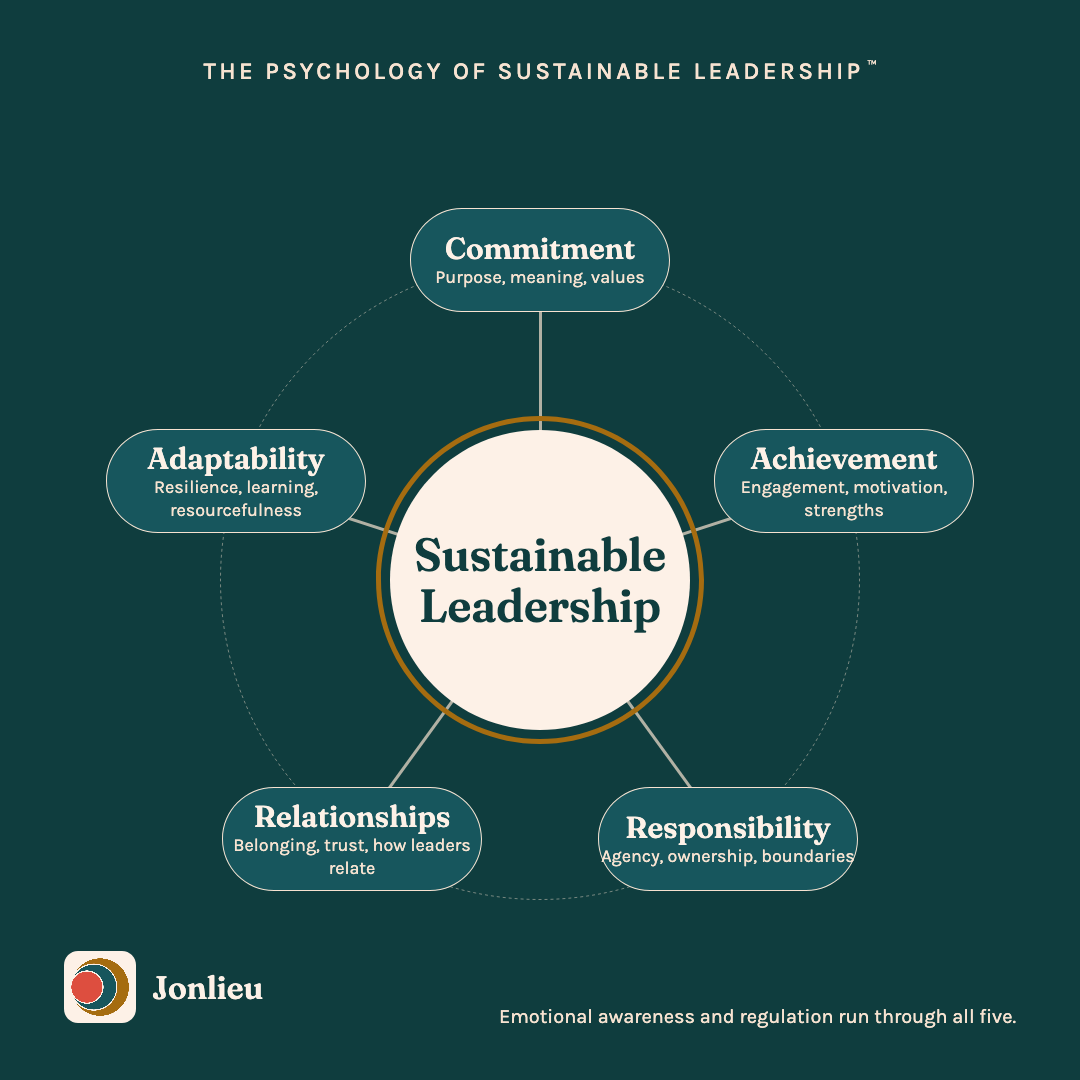
The Psychology of Sustainable Leadership™
Most leadership development focuses on what leaders do.
My work explores the patterns that influence how leaders lead, respond to pressure, navigate change, and sustain their effectiveness over time.
Build Leadership Capacity That Lasts
Organizations don't need leaders who care less.
They need leaders who can continue leading effectively through change, challenge, and uncertainty.
My work helps leaders recognize and address the patterns that create overload, dependency, and diminishing capacity so leadership becomes more sustainable for individuals, teams, and organizations.
DISCOVER
Speaking
Introduce a new way of thinking about leadership sustainability, burnout risk, capacity, and organizational effectiveness.
Result: Greater awareness and a shared language for sustainable leadership.
DEVELOP
Workshops
Equip leaders with practical strategies that strengthen responsibility-sharing, healthier boundaries, and sustainable leadership practices.
Result: Stronger teams and healthier leadership capacity.
APPLY
Coaching
Help leaders translate awareness into better decisions, new behaviors, and lasting change.
Result: Greater effectiveness without increasing personal cost.
SUSTAIN
Resources
Provide practical tools that reinforce learning and promote continued growth.
Result: Leadership practices that stick.
What Changes When Leadership Becomes More Sustainable
Leaders
More capacity.
Better decisions.
Less overload.
Greater effectiveness.
Teams
More ownership.
Less dependency.
Stronger collaboration.
Healthier communication.
Organizations
Stronger leadership benches.
Improved retention.
Greater resilience.
More sustainable impact.
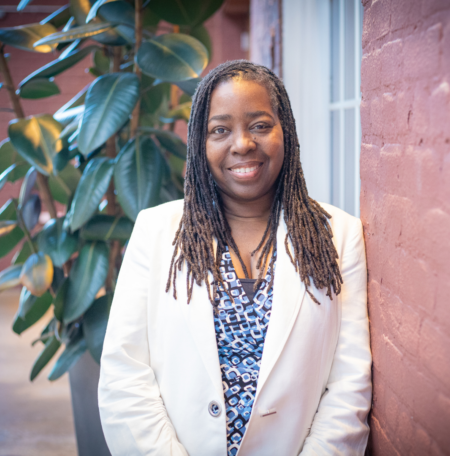
Meet Michelle
After 25 years in education, including seven years in district leadership, I noticed something surprising.
The leaders who cared most deeply about their work were often carrying the heaviest burden.
Not because they lacked skill.
Not because they weren't committed.
Because the very strengths that made them successful had quietly become difficult to sustain.
Today, I help K-12 and nonprofit leaders strengthen leadership capacity by identifying the hidden patterns that drive overload, dependency, and leadership fatigue so they can lead more effectively for the long term.

The Goal Is Leadership That Can Be Sustained.
When leaders gain more awareness, more options, and healthier leadership patterns, they strengthen not only their own effectiveness but the effectiveness of the people around them.
Let's explore what sustainable leadership could look like for your organization.